AI Image Generators vs. Stock Photos: Creative Quality & Cost

Pick AI or stock photos for each job to get the best look, price, and speed. Use stock when you need polished, reliable images and clear rights, and use AI when you need something specific or stylized. Check real costs, hidden extras, and an easy way to switch between both in one place.
Scroll through any creative team’s software stack today and you’ll likely find both an AI image generator and a stock photo subscription running side by side.
That’s not an accident. Each tool solves a different problem, and knowing which one to reach for can save hours of work or hundreds of dollars a month. Whether you’re building a blog header in two minutes or sourcing a polished hero image for a client pitch, the right choice depends on quality needs, budget, and how fast you need results. Envato has built tools that blend both worlds, which makes it a useful reference point as we break down where AI image generators shine and where stock photography still wins.
Key Takeaways
- AI image generators now produce results that rival stock photos in many cases, but realism and consistency still vary by platform and prompt quality.
- Stock photography offers predictable, professional-grade quality with simplified commercial licensing, while AI images may need extra review before client use.
- Cost comparisons aren’t always straightforward—AI pricing models range from free tiers to enterprise plans, and hidden costs like upscaling can change the math.
- Platforms like Envato are combining stock libraries with AI editing tools, letting creators move between both workflows without switching software.
- The smartest approach for most teams isn’t choosing one over the other—it’s knowing exactly when each tool delivers better value, which we’ll map out section by section.
What Teams Need To Know Before Choosing
Before diving into specifics, it helps to understand the core trade-off at play. AI image generators give you speed and infinite customization, while stock photos give you dependable realism and simplified licensing. Neither tool is universally better—the right pick depends entirely on what you’re making and who’s going to see it.
How AI Images And Stock Photos Actually Compare On Quality
Quality in AI-generated images has improved dramatically between 2023 and 2024, with some generators now producing results comparable to stock photography. That said, output quality still depends heavily on the platform you use and how well-crafted your prompt is. Early AI tools struggled with extra fingers, warped necks, unreadable text, and other visual glitches. Those issues haven’t disappeared entirely, but they’re far less common in top-tier generators today.
The Real Cost Difference Teams Should Expect
Stock photo subscriptions typically run $30 to $200 per month depending on download limits and image quality. AI image generation costs vary more widely, from free tiers with daily generation caps to enterprise plans running $500 to $5,000 or more per month for high-volume teams.
Individual creators using AI tools often spend $10 to $30 monthly, while small marketing teams land in the $30 to $100 range. Agencies and production studios typically pay $100 to $500 monthly once they factor in multiple seats and higher-resolution outputs.
The catch? Professional AI workflows usually require three to ten iterations before landing a usable final image, which means the advertised per-image cost often understates what you’ll actually spend once you factor in revisions and upscaling.

When One Option Beats The Other
Stock images tend to win when you need a polished, ready-to-publish visual and don’t have time to experiment. AI generators pull ahead when you need something highly specific, stylized, or impossible to find in any existing library. We’ll get into exact use cases later, but that basic split—speed and customization versus reliability and realism—frames almost every decision you’ll make between the two. For further insights, you can explore the comparison of AI video generators vs. traditional video production.
How AI Image Generators Work For Creative Teams
AI image generators rely on text-based prompts, and sometimes reference images, to produce visuals matching a written description. These tools are trained on massive datasets pairing images with descriptive text, which is how they learn to interpret a prompt like “a golden retriever wearing sunglasses on a beach at sunset” and turn it into a finished image.
The process itself is remarkably fast. Most platforms generate an image in under a minute, and because the whole workflow is iterative, you can refine a prompt and get a new version within minutes of seeing the first result.

Turning Text Prompts Into Finished Visuals
Every AI image generator works on the same basic principle: you describe what you want, and the model predicts what that description should look like based on patterns learned during training. The more specific and detailed your prompt, the more control you have over the final output. Vague prompts tend to produce generic results, while detailed prompts describing lighting, composition, mood, and style give the AI more to work with.
Why Results Vary Between Platforms And Prompts
Not all AI image generators are built the same, and output quality can swing significantly from one platform to another even when using an identical prompt. Several factors drive this variation, including the differences in AI video generators vs. traditional video production methods.
- Training data differences — each platform is trained on a different image dataset, which shapes its strengths and weaknesses.
- Model architecture — newer models tend to handle complex scenes, text rendering, and anatomy more accurately than older ones.
- Prompt engineering skill — two people using the same tool can get wildly different results based on how they phrase their request.
- Resolution and processing settings — free tiers often cap output at lower resolutions, which limits usability for print or high-visibility placements.
This means getting consistently strong results often takes practice, along with a willingness to run multiple iterations before settling on a final image. It’s not unusual for professional workflows to require several rounds of refinement before an output is ready for use. For more insights, check out how free tiers work for experimentation.
Editing And Refining Images After Generation
Many AI platforms now let you go back and edit a previously generated image rather than starting from scratch. This means you can swap out a background, adjust lighting, or change a specific element without regenerating the entire composition. That editing flexibility is one of the bigger advantages AI holds over traditional stock photography, where making changes typically means sourcing a different image entirely or bringing in separate editing software.
This capability also opens the door to a more flexible creative process. Instead of treating each generation as a one-shot attempt, teams can treat AI image creation as an ongoing conversation—generate, review, adjust, regenerate—until the visual matches the brief.
How Stock Photography Works For Creative Teams
Stock photography operates on a completely different model than AI generation. Instead of creating something new from a prompt, you’re searching a pre-built catalogue of images, videos, and illustrations created by professional photographers and licensing one that fits your need. This catalogue model has been the backbone of visual content production for decades, and it still plays a major role in how brands source imagery today.
The appeal is straightforward: someone has already done the creative work, and your job is simply to find the right match. That said, the search-and-license process looks a bit different from typing a prompt and waiting for results.

How Images Get Licensed And Delivered
Stock platforms license images to paying users, and the terms of that license matter more than most people realize. Some licenses restrict use to editorial purposes only, meaning you can’t use the image in advertising or promotional material. Others grant broader commercial rights. Licensing terms also vary by platform—some sites offer one-time purchases for individual images, while others run monthly or annual subscriptions that include a set number of downloads.
The Role Of Professional Photographers Behind Stock Libraries
Every image in a stock library started with a human photographer making deliberate choices about lighting, composition, focus, and emotion. That human element is part of what gives stock photography its reliability. A professional photographer knows how to set a scene so it captures a specific feeling, whether that’s trust, excitement, or calm. AI generators are learning to approximate these qualities, but the intentionality behind a professionally shot image is still difficult to fully replicate.
Free Versus Paid Stock Platforms
Not all stock photography costs money. Free stock sites exist alongside premium subscription services, though the trade-off usually comes down to selection and quality control. Premium stock subscriptions typically run $30 to $200 per month and include stricter curation, higher resolution options, and broader commercial licensing. Free platforms can work for casual projects, but they often lack the depth of selection needed for a highly specific brief.
Creative Quality: AI Image Generators Versus Stock Photos
When you put AI-generated images side by side with stock photography, the differences in quality become clearer depending on what you’re trying to create. Neither option wins across every category—each has specific strengths that make it the better choice in certain situations. For a deeper understanding of AI capabilities, you might want to explore the differences between OpenClaw AI and ChatGPT.
Where AI Images Still Struggle With Realism
Despite major improvements, AI image generators can still stumble on fine details. Hands, text rendering, and realistic anatomy remain trouble spots for some platforms, and accuracy in product representation can be inconsistent. These aren’t universal problems, but they’re common enough that any image meant for professional use should get a close review before publishing.

Why Stock Photos Win On Human Emotion And Polish
Stock photography tends to outperform AI when the goal is capturing authentic human emotion or a believable real-world scenario. Because a human photographer directed the shoot, the final image carries a level of intentional polish that’s harder for an algorithm to replicate consistently. This makes stock a safer bet for visuals involving people, genuine expressions, or settings that need to feel grounded in reality.

Customization And Originality Advantages Of AI
On the flip side, AI generators offer a kind of creative freedom stock photography simply can’t match. There’s no limit to the combinations you can request, and you’re not restricted to whatever happens to exist in a library. If you need a visual for a niche concept that no photographer has ever shot, AI can often produce it in minutes.

Consistency Challenges Across Multiple AI-Generated Assets
One area where AI still lags is consistency across a set of related images. If you need five visuals that all share the same character, style, or setting, getting AI to maintain that consistency can take significantly more prompt engineering and iteration than simply pulling five coordinated images from a stock library.
Here Are The Biggest Advantages Of AI Image Generators
AI image generators have earned their place in creative workflows for several concrete reasons, and most of them come down to speed, flexibility, and cost control.
1. Near-Instant Turnaround On New Visuals
Generating an image typically takes less than a minute, and the entire process from writing a prompt to having a usable result rarely stretches beyond a few minutes. That speed makes AI generation a strong option when a deadline is tight or when a small team doesn’t have dedicated design resources on hand.
Because the process is iterative, refining a prompt and regenerating a new version takes only moments, letting creators test several directions before settling on a final image.
2. Unlimited Customization For Niche Concepts
If you can describe it, you can likely generate something close to it. This opens up possibilities for hard-to-find or highly specific visual concepts that simply don’t exist in a traditional stock library.
3. No Licensing Headaches From Pre-Existing Images
Because AI-generated images are created fresh rather than pulled from a protected catalogue, they currently bypass the copyright infringement issues tied to improperly licensed stock images. This removes a layer of legal risk that has tripped up plenty of website owners using stock photography incorrectly. For a deeper understanding of how AI is transforming creative industries, you might find this comparison of AI video generators vs. traditional video production insightful.
4. Fast Ideation For Campaign Brainstorming
AI tools shine during the early brainstorming phase of a campaign, when the goal is exploring multiple visual directions quickly rather than committing to a single polished asset right away.
5. Easy Variations At Scale Across Channels
Need the same concept resized, restyled, or adjusted for five different platforms? AI generators make it simple to produce multiple variations of a single idea without starting from scratch each time.
This scalability is particularly useful for teams managing multi-channel campaigns where each platform calls for a slightly different visual treatment.

Here Are The Biggest Drawbacks Of AI Image Generators
AI image tools aren’t without friction, and understanding the drawbacks helps set realistic expectations before relying on them for important work. For a deeper dive into the limitations of AI compared to traditional methods, explore the key differences between AI and traditional tools.
1. Hands, Text, And Anatomy Errors That Need Review
Even strong generators can produce distorted hands, garbled text, or anatomically odd results. These errors are less frequent than they were a couple of years ago, but they haven’t disappeared entirely, which means every image needs a careful once-over before it goes live. If you need visuals for a campaign, website, blog post, or client project, you have more options than ever, including AI image generators.
Fine details like product accuracy also deserve scrutiny, especially for commercial work where precision matters.
2. Prompt Engineering Takes Practice To Master
Getting consistently strong results from an AI generator isn’t automatic. It takes practice to learn how to phrase prompts in a way that produces the intended outcome, and even experienced users often need several attempts before landing on a usable image.
3. Commercial Use Requires Extra Scrutiny
Because AI models are trained on massive datasets, there’s a risk that a generated image could include a copyrighted element from that training data, or closely resemble an image another user created with a similar prompt. For brand-sensitive or client-facing projects, this risk calls for a more deliberate review process before publishing.

Here Are The Biggest Advantages Of Stock Photography
Stock photography has stuck around for a reason, and its advantages become especially clear in professional and commercial settings.
1. Reliable Professional Quality Every Time
Stock photos are the work of professional photographers, and most stock websites enforce quality standards around resolution, format, and composition. This gives users a predictable baseline of quality that doesn’t require guesswork.
That consistency matters most when a brand needs dependable visuals without the uncertainty of multiple AI iterations.
2. Strong Realism For People And Real-World Scenes
Because real people, real locations, and real lighting are involved, stock images tend to carry a level of authenticity that’s difficult to fake. For visuals involving believable human expression or real-world environments, stock photography remains the more dependable choice.
This realism is especially valuable for industries like healthcare, finance, or education, where imagery needs to feel trustworthy and grounded.
3. Fits Existing Review And Approval Workflows
Stock images slot easily into established production processes. Teams can review the exact image before purchasing, which simplifies internal approval compared to the back-and-forth of refining AI prompts until a stakeholder is satisfied.
This fit with existing workflows makes stock a comfortable choice for organizations with formal creative approval chains.

Here Are The Biggest Drawbacks Of Stock Photography
Stock photography isn’t risk-free, and a few recurring issues are worth understanding before relying on it exclusively.
Licensing complications, limited customization, and generic visuals all show up often enough to factor into any long-term content strategy.
Each of these drawbacks carries its own set of consequences, ranging from financial penalties to simply blending in with every other brand using the same photo.
1. Licensing Fines And Legal Enforcement Risks
Copyright infringement risk doesn’t disappear once you’ve downloaded an image—it can resurface if a subscription lapses or if a rights holder challenges your continued use. Fines for improperly licensed images can range from a couple hundred dollars upward, depending on the image’s size, value, and how long it stayed on your site.
Rights holders often use automated web-crawling tools to scan websites for unlicensed use, and ignoring or disputing a takedown demand can escalate the situation, sometimes bringing lawyers into the picture and increasing the amount owed. For those interested in exploring advanced automation tools, autonomous AI workflows offer intriguing possibilities.
Professional photographer licenses can also require re-licensing every five years or for new contexts, adding an ongoing administrative burden that’s easy to overlook.
In 2023, Getty Images filed legal action against Stability AI, the company behind Stable Diffusion, arguing the AI model was trained on Getty’s photographs without authorization. While Getty later dropped its copyright claims, it continues pursuing secondary copyright infringement and trademark claims—an active reminder that licensing disputes in this space are far from settled.
2. Limited Customization Without Extra Editing Tools
Stock photography offers what’s already in the library, and nothing more. If the available image doesn’t align exactly with your brand’s message, you’re left either compromising on the visual or bringing in separate editing software to make adjustments. For those interested in exploring AI alternatives, consider reading about AI video generators and how they compare to traditional methods in terms of speed, cost, and quality.
3. Generic Visuals That Competitors May Also Use
Because stock libraries are shared resources, there’s always a chance a competitor is using the exact same image. This can undercut a brand’s attempt to stand out, especially with widely circulated stock photos that show up across countless websites and ad campaigns.
Niche or highly specific briefs can also take longer to fill, since the right image might not exist in the catalogue at all.
Breaking Down The Real Cost Of AI Image Generation
AI image generation pricing isn’t one-size-fits-all. Costs shift dramatically depending on the platform, your usage volume, and whether you need commercial rights attached to the output.
Understanding these pricing structures upfront helps avoid surprises once a free trial runs out or a project scales beyond casual use.
Credit-Based, Subscription, And Pay-As-You-Go Pricing Models
Most AI image platforms fall into a few pricing categories. Free tiers typically cost nothing but come with generation limits, usually somewhere between 5 and 50 images per day, along with resolution caps around 512×512 to 1024×1024 pixels. Basic paid plans run $0.02 to $0.05 per image at standard resolution, while professional tiers with high-resolution output and premium models cost $0.05 to $0.15 per image. Enterprise and API access, built for high-volume use, can drop as low as $0.003 to $0.05 per image.
Typical Monthly Costs By Team Size And Use Case
Individual creators typically spend $10 to $30 monthly on AI image tools, while small marketing teams land between $30 and $100. Agencies and production studios often pay $100 to $500 monthly, and enterprise-level organizations with heavy image demands can spend anywhere from $500 to $5,000 or more.
Hidden Costs: Iterations, Upscaling, And Commercial Rights
The advertised per-image price rarely tells the full story. Professional workflows typically require three to ten iterations before landing a final usable image, and upscaling a 1024×1024 output to print resolution often requires additional work or a separate tool. Commercial rights aren’t always included automatically either—some platforms restrict commercial use on lower-tier plans or require attribution, and discovering that mid-project can cost more in upgrade fees than it would have to plan for it from the start.
Breaking Down The Real Cost Of Stock Photography
Stock photography pricing is generally more predictable than AI tools, but it comes with its own set of considerations worth weighing against a team’s actual usage patterns.
Subscription Versus One-Time Licensing Costs
Stock platforms typically offer two purchase paths: a one-time payment for a single image, or a monthly or annual subscription granting a set number of downloads. Premium subscriptions generally run $30 to $200 per month, with cost scaling up alongside image quality and the number of assets included.
Teams that need a high volume of images each month tend to find subscriptions more economical than paying per image, while occasional users may prefer the flexibility of one-off purchases.
Legal And Financial Risk Of Licensing Disputes
The financial risk tied to stock photography isn’t just the subscription fee—it’s what happens if licensing terms are violated. Fines, legal fees, and the administrative hassle of proving a legitimate license can add unexpected costs well beyond the original purchase price.

AI Versus Stock: A Direct Cost Comparison For Teams
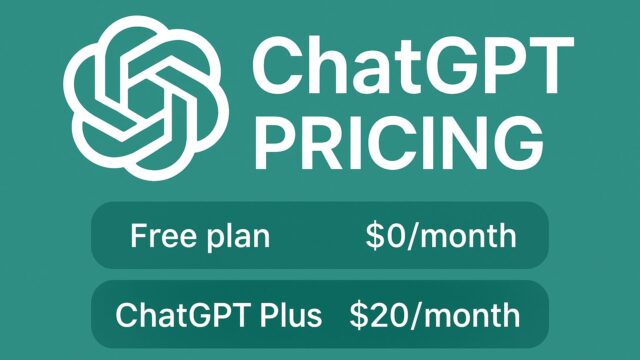
Putting the numbers side by side makes the cost conversation much clearer, especially for teams trying to decide where to allocate budget. For those evaluating different pricing options, exploring ChatGPT pricing plans can provide additional insights into cost-effective solutions.
Monthly Spend On AI Tools Versus Premium Stock Subscriptions
For teams generating a high volume of images, AI subscriptions can work out more cost-effective than stock, particularly since stock sites tend to impose strict download limits per month regardless of subscription tier. A small marketing team might spend $30 to $100 monthly on an AI platform and produce dozens of custom images, compared to a similarly priced stock subscription that caps downloads at a fixed number.
| Option | Typical Monthly Cost | Best For |
|---|---|---|
AI Image Generator (Individual) | $10–$30 | Freelancers, solo creators |
AI Image Generator (Small Team) | $30–$100 | Small marketing teams |
Premium Stock Subscription | $30–$200 | Teams needing polished, ready-to-use visuals |
AI Image Generator (Agency) | $100–$500 | Agencies and production studios |
With tightening marketing budgets across the board, the cost savings of AI generation can be a meaningful draw, especially for teams needing a high volume of custom visuals rather than a handful of polished stock images.
Comparing AI Costs Against Professional Photography And Design Salaries
When stacked against the cost of hiring a professional photographer or in-house designer for every visual asset, AI generation and stock photography both come out significantly cheaper. The real comparison for most teams isn’t AI versus stock in isolation—it’s weighing either option against the time and expense of commissioning entirely custom photography for every project. For production teams juggling multiple tools, the smarter calculation often looks at total toolstack cost rather than per-image pricing alone, since a single platform handling generation, editing, and asset management can end up costing less than separate subscriptions for each function.
Here’s When Your Team Should Use AI Image Generators
Knowing the theory behind AI image generators only gets you so far. The real value shows up when you match the tool to the right moment in your creative process, rather than defaulting to it for every visual need.
AI generators tend to earn their keep in the earlier, more exploratory stages of a project, or in situations where speed and originality matter more than guaranteed realism.
1. Testing Multiple Creative Directions Quickly
When a campaign concept is still taking shape, AI generation lets a team visualize several directions in the time it would take to find just one suitable stock photo. This rapid testing helps teams make faster decisions about which visual direction actually resonates before committing design resources to a final version.
2. Producing Abstract Or Stylized Social Content
Social media thrives on visuals that stand out from a crowded feed, and AI generators are particularly good at producing abstract, surreal, or highly stylized imagery that would be difficult or expensive to source through traditional photography.
This works especially well for brands trying to build a distinct visual identity rather than blending in with typical stock photo aesthetics. A few scenarios where this shines include:
- Eye-catching graphics for Instagram or TikTok that don’t rely on real photography
- Surreal or conceptual art supporting a thought-leadership blog post
- Brand exploration visuals used to test a new aesthetic direction before a full rebrand
- Experimental creative for one-off campaigns that won’t be reused long-term
Because these use cases don’t require strict realism, minor imperfections in AI output matter far less than they would in a client-facing photo.

3. Creating Hero Images For Innovation-Themed Content
Articles or landing pages centered on innovation, technology, or future-facing topics often benefit from a visual that feels forward-looking rather than literal. AI-generated imagery fits naturally here, producing futuristic or conceptual visuals that traditional stock photography sometimes struggles to capture authentically.
4. Generating Niche Concepts Stock Libraries Don’t Have
Every content creator has hit that wall where a stock search turns up nothing close to what’s needed. AI generation solves this by producing a custom visual for concepts too specific, too new, or too unusual for any existing library to cover.
Rather than compromising on a loosely related stock photo, teams can describe exactly what they need and generate something built for the brief.
Here’s When Your Team Should Use Stock Photography
Stock photography still holds a clear advantage in situations where realism, reliability, and speed-to-polish matter more than originality. These are the moments where a quick search through a curated library beats several rounds of prompt refinement.
Generally, the more formal or client-facing the project, the stronger the case for sticking with stock photos.
1. Publishing Polished Client-Facing Materials
When a visual is going straight into a client deliverable, the margin for error shrinks considerably. Stock photography removes the guesswork of AI-generated quirks, offering a dependable, professionally shot image that won’t raise questions during a client review.
2. Filling Homepage Banners And Email Campaigns
High-visibility placements like homepage banners, email headers, and presentation slides benefit from the consistent polish stock photography provides. These are spots where brand reputation is on the line, and a slightly imperfect AI image carries more risk than reward.
Stock imagery also tends to fit more naturally into existing brand templates, since it’s designed to look professional straight out of the library.
3. Meeting Formal Marketing Or Editorial Standards
Editorial layouts, brochures, and formal marketing materials often come with strict quality expectations that favor predictability over experimentation. Stock photography’s built-in quality control, enforced by the platforms themselves through resolution and format standards, makes it a safer choice when consistency across a campaign matters more than originality.
For organizations with established brand guidelines, this predictability also simplifies internal approval, since reviewers know roughly what to expect before an image even gets selected. If you need visuals for a campaign, website, blog post, or client project, you have more options than ever before, including AI image generation.
This is also where simplified commercial licensing becomes a real advantage—stock downloads are typically licensed for commercial use automatically, without requiring the manual project-by-project assignment that some AI platforms still demand.
Building A Hybrid Workflow That Uses Both Tools
The smartest creative teams aren’t picking a side in the AI-versus-stock debate—they’re blending both into a single workflow that plays to each tool’s strengths. This hybrid approach has become increasingly common as platforms start integrating stock libraries and AI editing tools into the same experience.
Starting With Stock For Realism, Then Editing With AI
One effective pattern starts with selecting a strong stock image for the core of a campaign, then using AI editing tools to adapt that image for a specific format, tone, or creative direction. This gives teams the realism of professional photography combined with the flexibility to customize the final result without starting from scratch.
Using AI For Supporting Assets Around A Stock-Based Campaign
Once a primary stock image anchors a campaign, AI generation can fill in the supporting visuals—variations for different platforms, test versions for A/B campaigns, or stylized graphics that complement the main photo without needing to match its exact realism.
Why Combined Platforms Speed Up Creative Teams
Switching between separate stock and AI platforms adds friction to an already time-sensitive process. Tools that combine both—letting creators discover a stock image, edit it, and generate AI variations all within the same experience—cut out that back-and-forth entirely. Envato has leaned into this model, giving creators a single workspace where stock assets and AI generation work side by side rather than as separate workflows. The result is a faster path from concept to finished visual without sacrificing creative control.

Commercial Licensing Risks Every Team Should Understand
Licensing risk doesn’t disappear just because an image looks great. Both AI-generated and stock images carry their own legal considerations, and understanding how enforcement actually works helps teams avoid costly mistakes down the line.
How Stock Licensing Enforcement Actually Works
Stock image licensing disputes typically start with a rights holder using automated web-crawling technology to scan the internet for unlicensed use of their images. Once a match is found, the website owner usually receives a demand for payment or proof of a legitimate license.
Ignoring or disputing that demand doesn’t make it go away. In many cases, unresolved disputes escalate to legal representation, which tends to increase the amount being demanded. Fines can range from a couple hundred dollars upward, scaling based on the image’s size, commercial value, and how long it remained live on the site. For those seeking alternatives, AI image generation offers a new avenue for sourcing visuals.
A few practical steps can reduce this risk significantly:
- Keep records of every license purchase, including the date and specific terms
- Re-check licensing terms before reusing an older image in a new context
- Avoid letting subscriptions lapse while previously downloaded images remain in active use
- Respond promptly to any licensing inquiry rather than ignoring it
Taking these precautions upfront is far less costly than responding to a legal notice after the fact.
Current Legal Disputes Shaping AI Image Rights
AI image licensing is still being sorted out in courtrooms. In June 2025, Disney and Universal filed a copyright complaint against Midjourney, the San Francisco-based text-to-image company that launched in 2022 and has since built a large active user base. The studios allege that Midjourney’s tool has openly produced images featuring copyrighted characters from franchises like Star Wars, Frozen, and Spider-Man.
That case remains in its early stages, but the eventual ruling could set a meaningful precedent for how AI companies handle copyrighted training data going forward. Combined with Getty Images’ ongoing dispute against Stability AI, these cases signal that the legal landscape around AI-generated imagery is still very much a grey area, with regulators and courts working to catch up to the technology.
The Bottom Line For Creative Teams Choosing Between AI And Stock
Neither AI image generators nor stock photography is the clear winner across every scenario, and that’s exactly the point. AI wins on speed, customization, and cost-efficiency for high-volume or niche visual needs, while stock photography wins on realism, reliability, and simplified commercial licensing for polished, client-facing work. For a deeper understanding of AI’s impact on creative processes, explore this comparison of AI video generators and traditional video production.
The teams getting the most value right now are the ones treating these tools as complementary rather than competing, building workflows that pull a strong stock image when realism matters and generating a custom AI visual when no existing photo quite fits the brief.
Frequently Asked Questions
A few questions come up repeatedly as more creative teams weigh AI generation against traditional stock photography. Here are straightforward answers to the ones that matter most.
Is AI-Generated Imagery Safe To Use Commercially?
Generally yes, though it depends on the platform’s specific terms and the context of use. Commercial use of AI images typically requires more deliberate review than stock photography, especially for brand-sensitive or client-facing projects, since the licensing landscape around AI-generated content is still evolving through ongoing lawsuits.
Can AI Image Generators Fully Replace Stock Photography?
Not yet, and possibly not ever completely. AI has advanced significantly in producing photo-realistic images, but it still struggles to match stock photography’s consistency, especially for realistic human subjects and scenarios. Many teams find the two tools work best together rather than as full replacements for one another.
How Many Prompt Attempts Does It Typically Take To Get A Usable Image?
Professional workflows usually require three to ten iterations before landing on a final, usable output. Simpler concepts might take fewer attempts, while highly specific or complex scenes often require more refinement to get right. For those interested in the broader context of AI tools, exploring AI prompt responses can provide additional insights.
Are Free AI Image Generators Good Enough For Business Use?
Free tiers work fine for casual experimentation but tend to fall short for serious business use. Generation limits of 5 to 50 images per day, resolution caps around 512×512 to 1024×1024 pixels, and restrictions on commercial use all push professional workflows toward paid plans once volume or quality demands increase.
What Happens If A Team Uses A Stock Photo Without The Right License?
Rights holders frequently use automated tools to detect unlicensed use of their images, and violations can result in fines starting around a couple hundred dollars and increasing based on the image’s commercial value and how long it was used. Ignoring a licensing demand typically makes the situation worse, often bringing legal representation into the dispute and raising the amount owed.
Understanding how AI image generators and stock photography each fit into a creative workflow puts teams in a much stronger position to produce visuals that actually serve their goals, whether that means speed, realism, or a combination of both.